Exploring the Intersection of Fashion and Human Rights
Updated: Dec 2, 2025
Fashion. It’s not just about looking good. It’s about feeling good. And guess what? It’s about doing good too. Yeah, I’m talking about the raw, gritty truth behind the clothes we wear every day. The industry that dazzles us with trends and styles also hides some dark secrets. Sweatshops, exploitation, environmental damage - the list goes on. But here’s the kicker: we can change that. We must change that. Because fashion and human rights are tangled up in ways you might not expect. Ready to dive in? Let’s go.
Why Ethical Fashion Practices Matter More Than Ever
Look, fast fashion is cheap and convenient. But it comes at a cost. Real people suffer. Workers in factories often face brutal conditions - long hours, low pay, unsafe environments. And it’s not just about labour. Environmental destruction is massive. Toxic dyes pollute rivers. Mountains of waste pile up in landfills. This isn’t sustainable. Not by a long shot.
Ethical fashion practices flip the script. They focus on:
Fair wages and safe working conditions
Sustainable materials and processes
Transparency in the supply chain
Respect for cultural heritage and diversity
When brands commit to these, they’re not just selling clothes. They’re selling values. And that’s powerful. It’s a way for us to wear our beliefs on our sleeves - literally.

How to Spot Ethical Fashion Practices in the Wild
You want to support brands that care? Here’s how to spot them:
Check the label - Look for certifications like Fair Trade, GOTS (Global Organic Textile Standard), or B Corp.
Research the brand - Do they talk openly about their supply chain? Transparency is key.
Materials matter - Organic cotton, recycled polyester, hemp - these are good signs.
Made local or fair trade - Where and how the clothes are made tells a story.
Longevity over trends - Ethical brands focus on quality, not just quick turnover.
Don’t be shy. Ask questions. Demand answers. Your wallet is your vote.

What is the Human Rights Watch fashion?
Okay, this one’s crucial. The Human Rights Watch fashion movement is about holding the industry accountable. It’s a watchdog, a voice for the voiceless. They investigate abuses, expose violations, and push for change. Their reports have shone a light on child labour in cotton fields, unsafe factories in Asia, and discrimination in garment production.
They don’t just point fingers. They work with brands, governments, and activists to create safer, fairer conditions. It’s about justice, not just style. And it’s a reminder that every stitch in your shirt has a story behind it.
The Power of Fashion and Human Rights in Activism
Here’s where it gets exciting. Fashion isn’t just passive. It’s a tool. A megaphone. A way to shout your values from the rooftops without saying a word. When you wear a brand that champions human rights, you’re making a statement. You’re part of a movement.
Think about it:
T-shirts with bold messages supporting equality
Accessories made by artisans paid fairly
Campaigns that raise awareness about social issues
This is activism you can wear. It’s accessible. It’s visible. And it’s effective.
Want to learn more about how fashion and human rights intersect? Check out this link for deeper insights and stories.

How Barbwire Noose is Leading the Charge
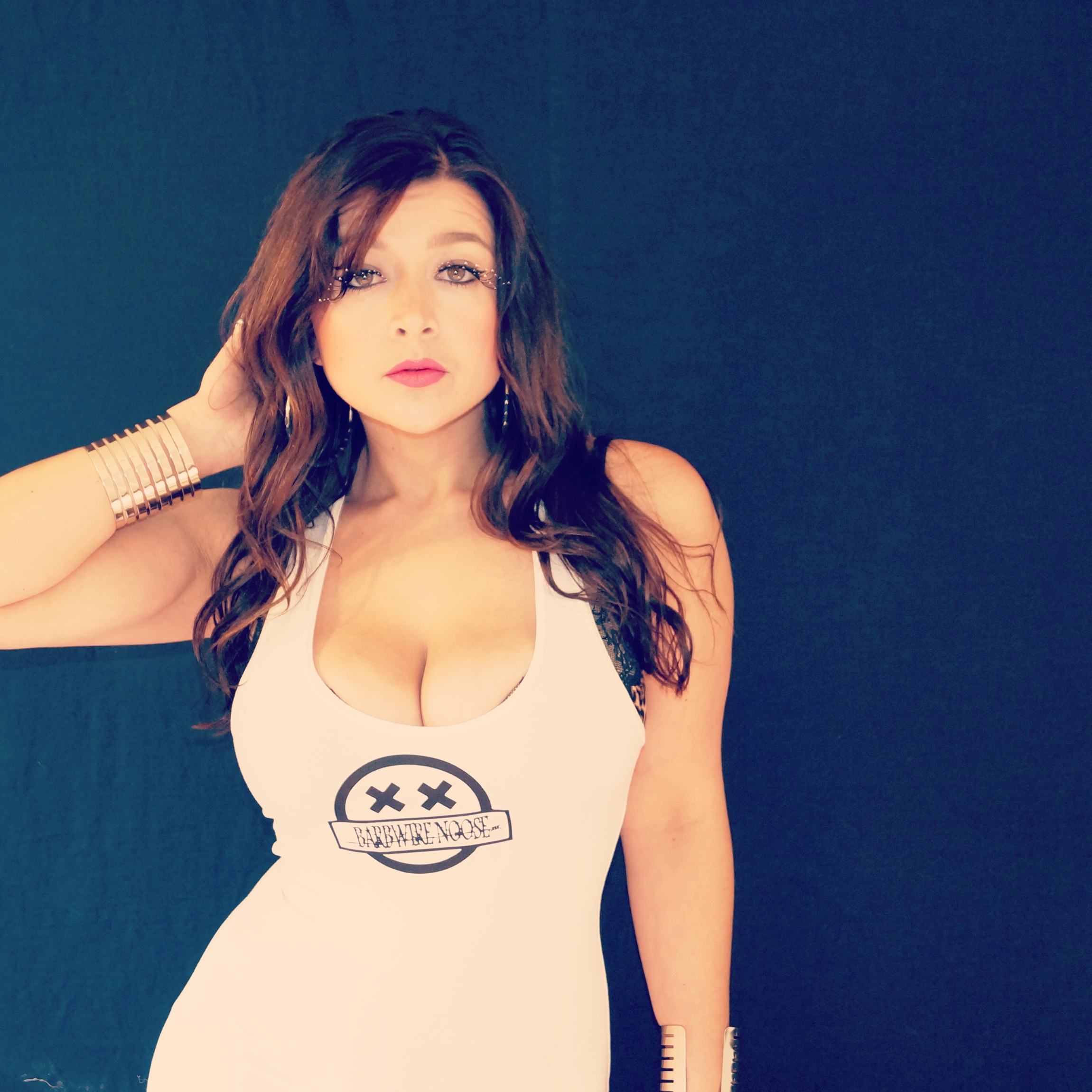
Now, let me tell you about a brand that’s walking the talk. Barbwire Noose isn’t just another label. They’re a movement. A global force pushing for social justice through fashion. Their mission? To empower people to express their values and make a difference.
Here’s what they do differently:
Collaborate with ethical factories worldwide
Use sustainable, cruelty-free materials
Support human rights campaigns actively
Create designs that spark conversations
They’re not just selling clothes. They’re building a community. A tribe of changemakers who believe fashion can be a force for good.
What You Can Do Right Now
Feeling inspired? Good. Here’s how you can jump in:
Audit your wardrobe - Donate or recycle what you don’t wear.
Support ethical brands - Spend your money where it counts.
Spread the word - Share stories, educate friends, use social media.
Demand transparency - Ask brands tough questions.
Get involved - Join campaigns or volunteer with organisations fighting for workers’ rights.
Every small step counts. Together, we can rewrite the story of fashion.
Fashion isn’t just fabric and thread. It’s a reflection of who we are and what we stand for. When we choose ethical fashion practices, we’re choosing respect, dignity, and justice. It’s time to wear our values loud and proud. Because the future of fashion? It’s human rights. And it starts with us.


Comments