Fashion as a Catalyst for Human Rights Change
Updated: May 15
Fashion and Human Rights Impact: More Than Just Clothes
Fashion is a language. It speaks volumes without saying a word. Think about it. When you rock a T-shirt with a slogan, you’re not just dressing up. You’re declaring something. You’re joining a movement. Fashion has been a tool for activists for decades. From the civil rights era to today’s climate protests, clothes have carried messages that words sometimes can’t.
Take the Black Panther Party in the 1960s. Their iconic leather jackets and berets weren’t just style choices. They were symbols of resistance, pride, and unity. Fast forward to today, and you see designers using their platforms to highlight issues like gender equality, LGBTQ+ rights, and refugee crises. Fashion is a mirror reflecting society’s struggles and hopes.
But here’s the kicker: it’s not just about what’s on the runway. It’s about who makes those clothes and under what conditions. Sweatshops, child labour, unfair wages - these are human rights issues hiding behind glossy magazine covers. So, when you buy ethically made fashion, you’re supporting more than style. You’re supporting dignity and fairness.

The Power of Fashion and Human Rights Impact in Activism
It’s visual. It’s immediate. It’s unforgettable. When activists dress a certain way, they grab attention. They make people stop and think. Remember the pink pussy hats from the Women’s March? Simple, knitted, but powerful. They created a sea of solidarity and made a statement that was impossible to ignore.
Fashion can also fund movements. Limited edition collections, collaborations with activists, and charity sales funnel money directly to causes. It’s a win-win. You get cool gear, and the movement gets fuel. But it’s gotta be authentic. No one likes a brand jumping on the bandwagon just for sales. That’s cheap and transparent.
Here’s a pro tip: if you want to support human rights through fashion, look for brands that are transparent about their supply chains and actively engage in social justice. Don’t just buy the message. Live it.
The Role of Designers and Brands in Shaping Social Change
Designers aren’t just artists; they’re influencers with massive reach. When they choose to spotlight human rights, it shakes things up. Think about Vivienne Westwood, who’s been a punk icon and activist for decades. Or Stella McCartney, who champions sustainability and animal rights. These designers use their clout to push boundaries and challenge norms.
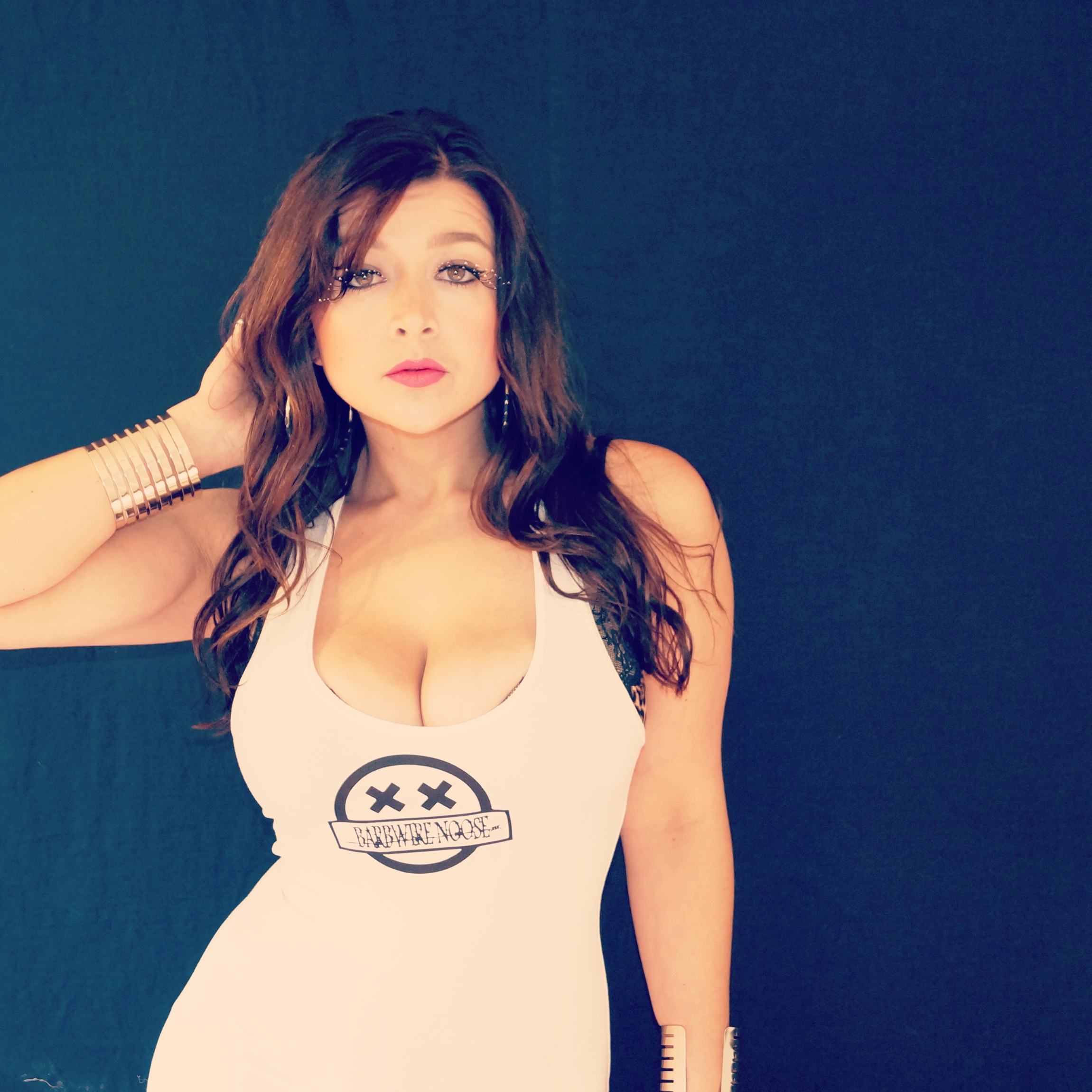
Brands like Barbwire Noose are stepping up, too. They’re not just selling clothes; they’re selling values. They want you to wear your beliefs on your sleeve (literally). And that’s the future of fashion - where style meets substance.
But it’s not just about big names. Small, independent labels often lead the charge in ethical fashion. They experiment, innovate, and keep the conversation alive. Supporting them means supporting a better world.

How You Can Use Fashion to Make a Difference
Buy consciously: Choose brands that respect workers’ rights and the environment.
Speak up: Wear clothing with messages that matter to you. Start conversations.
Support activism: Attend events, share stories, and promote ethical fashion.
Recycle and upcycle: Don’t just toss old clothes. Give them new life or donate.
Educate yourself: Learn about the origins of your clothes and the people behind them.
Fashion is a platform, and you’re the speaker. Use it wisely.
Fashion’s Role in Amplifying Marginalised Voices
Something that hits home. Fashion has the power to amplify voices that are often ignored. Marginalised communities have used style to reclaim identity and resist oppression. Indigenous designers, for example, are weaving their heritage into modern fashion, telling stories that mainstream media often overlooks.
Similarly, the LGBTQ+ community has long used fashion as a form of self-expression and defiance. Pride parades, drag culture, and gender-fluid styles challenge societal norms and demand acceptance. When you support these expressions, you’re supporting human rights in action.
This is why the intersection of fashion and human rights is so crucial. It’s not just about aesthetics; it’s about justice, visibility, and respect.
Keep the Movement Alive: Your Role in the Fashion Revolution
So, what now? You’ve seen how fashion and human rights impact each other. You know the power your wardrobe holds. Now, it’s time to act. Don’t just be a consumer. Be a changemaker.
Demand transparency from brands.
Celebrate diversity in fashion choices.
Invest in quality over quantity.
Share your story and inspire others.
Fashion is more than fabric. It’s a movement. And you’re part of it.
The Future of Fashion and Activism
Let’s talk about what’s next. The future of fashion is bright, but it’s also challenging. We’re at a crossroads. The choices we make today will shape the industry tomorrow. Will we continue to support fast fashion, or will we embrace a new era of ethical consumption?
The answer lies in our hands. We can choose to uplift brands that prioritize human rights. We can advocate for change and hold companies accountable. This is our moment to redefine what fashion means.
Fashion isn’t just about looking good. It’s about feeling good, knowing that your choices make a difference. So, let’s step up. Let’s make noise. Let’s create a world where fashion champions human rights.
Speak out. Wear your values loud and proud. The world is watching. A BETTER WORLD.


Comments